10 Foods That Boost Your Immune System (Backed by Science)
Your immune system runs on the nutrients you eat. Here are 10 scientifically backed foods to keep it strong all year round.

March 28, 2025
You can't out-supplement a bad diet. While vitamin C tablets and zinc lozenges have their place, the most powerful immune-boosting strategy is consistently eating foods that contain what your body actually needs — in the form it can best absorb.
Here are 10 of the most scientifically supported immune-boosting foods, and exactly why they work.
1. Citrus Fruits
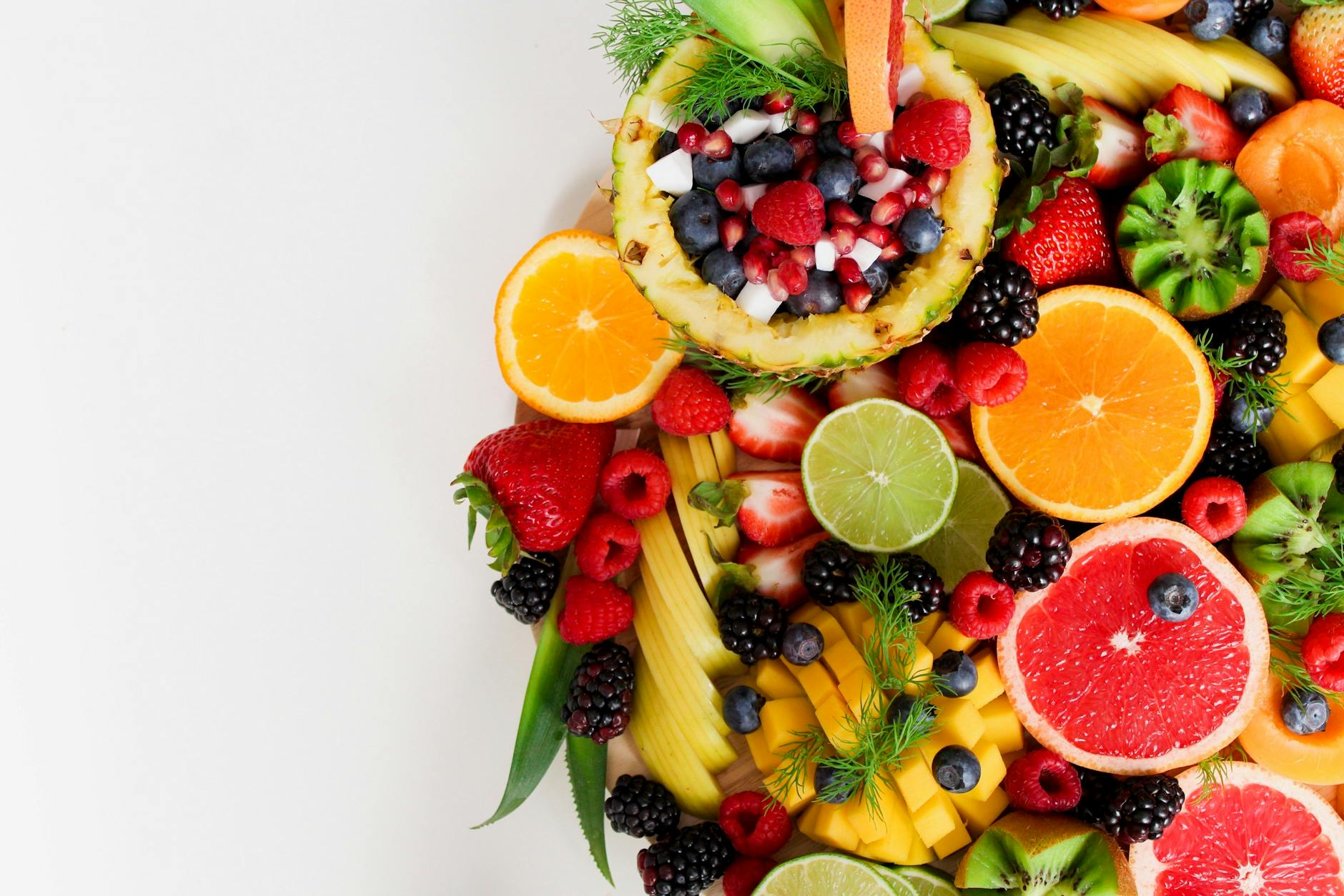
The classic recommendation exists for good reason. Oranges, grapefruits, lemons, and limes are loaded with vitamin C, which stimulates the production and function of white blood cells — your immune system's frontline fighters.
Your body doesn't produce or store vitamin C, so daily intake matters. One medium orange gives you about 70mg, close to the daily recommended amount. Eat the whole fruit rather than juice for the fiber benefit.
2. Garlic
Garlic has been used medicinally for thousands of years across virtually every culture — and modern science is catching up to why. Its main active compound, allicin, has proven antibacterial and antiviral properties.

A 2016 study in the Journal of Immunology Research found that allicin supplementation significantly reduced the duration and severity of colds. The catch: allicin is activated when garlic is crushed or chopped and left to sit for 10 minutes before cooking.
3. Ginger
Ginger contains gingerols and shogaols — bioactive compounds with potent anti-inflammatory and antioxidant effects. Chronic inflammation suppresses immune function, so keeping it in check directly supports your body's defenses.
Add fresh ginger to stir-fries, smoothies, or steep it in hot water with lemon and honey for a simple immune-supportive tea.
4. Leafy Greens
Spinach, kale, and Swiss chard are nutritional powerhouses delivering:

- Vitamin C — immune cell production
- Beta-carotene — antioxidant protection
- Folate — DNA repair and cell division
- Iron — oxygen transport to immune cells
Lightly cooking greens increases absorption of some nutrients while preserving others. A mix of raw and cooked is ideal.
5. Yogurt (with Live Cultures)
The gut houses roughly 70% of your immune system. The bacteria living in your intestinal lining — your microbiome — directly regulate immune responses. Probiotics in live-culture yogurt feed and diversify this microbial community.
Look for yogurt that says "live and active cultures" on the label. Greek yogurt also adds the bonus of high protein. Avoid versions with excessive added sugar, which can counteract the benefits.
6. Almonds
While vitamin C gets most of the attention, vitamin E is equally critical for immune function — and it's fat-soluble, meaning it needs dietary fat to be absorbed. Almonds deliver both: about 7.3mg of vitamin E per 28g serving (nearly 50% of your daily need), plus healthy monounsaturated fats to absorb it.

A small handful as a snack or sprinkled on oatmeal is all you need.
7. Turmeric
Curcumin, the compound that gives turmeric its yellow color, is one of the most studied anti-inflammatory substances in nutritional science. Hundreds of peer-reviewed studies show its ability to modulate immune cell activity and reduce chronic inflammation.
The catch: curcumin has poor bioavailability on its own. Consuming it with black pepper (which contains piperine) increases absorption by up to 2,000%, according to research in the journal Planta Medica. Most turmeric latte recipes already include this pairing.
8. Green Tea
Green tea is rich in a specific type of antioxidant called EGCG (epigallocatechin gallate), which research suggests enhances immune function by increasing the number of regulatory T cells.

Green tea also contains L-theanine, an amino acid that promotes the production of germ-fighting compounds in T-cells. Aim for 2–3 cups daily. Matcha delivers even higher concentrations of these compounds since you consume the whole leaf.
9. Sunflower Seeds
Sunflower seeds are one of the best dietary sources of:
- Selenium — critical for initiating immune responses
- Vitamin E — antioxidant immune support
- Zinc — supports the development of immune cells
Just 28g (a small handful) covers a significant portion of your daily selenium and zinc needs. Add them to salads, yogurt, or eat as a snack.
10. Fatty Fish
Salmon, mackerel, sardines, and tuna are exceptional sources of omega-3 fatty acids — specifically EPA and DHA. These don't just reduce inflammation; they actively regulate the immune response, helping it react appropriately rather than overreacting (which causes autoimmune issues) or underreacting.

A 2020 review in the journal Nutrients found consistent associations between omega-3 intake and improved immune markers. Aim for two servings of fatty fish per week.
Building an Immune-Supportive Diet
Rather than adding one "superfood," the goal is a dietary pattern. Research consistently shows that diverse, whole-food diets — particularly those resembling the Mediterranean diet — produce better immune outcomes than any single intervention.
Practical starting point:
- Add garlic and turmeric (with pepper) to cooking daily
- Eat a leafy green at least once per day
- Swap one snack for yogurt or almonds
- Have fatty fish twice a week
No supplement stack replicates what a genuinely good diet does. These 10 foods are your foundation.