Best Superfoods You Should Eat Every Week
The word 'superfood' gets overused, but some foods genuinely stand out for their nutrient density. These are the ones actually worth eating regularly.

December 9, 2025

The term "superfood" has been diluted by marketing into near-meaninglessness — attached to expensive powders and exotic berries more often than genuine nutritional superstars. But stripped of the hype, the concept is useful: some whole foods genuinely deliver exceptional nutritional value relative to their calorie content. These are the ones that consistently show up in the research literature and deserve regular spots in your diet.
Sardines
Sardines might be the most underrated food on the planet. A single can (3.75 oz) provides:
- 23g complete protein
- 1,950mg omega-3 fatty acids (surpassing most salmon portions)
- 35% daily vitamin D (deficient in the majority of adults)
- 50%+ daily vitamin B12
- Significant calcium (from the soft, edible bones)
They're also inexpensive, require no cooking, and have the lowest mercury levels of any common fish (they're too small and short-lived to accumulate it). Eat on whole grain crackers with mustard, mash into pasta, or add to salads.
Blueberries
Consistently the most studied food for brain health. Rich in anthocyanins that cross the blood-brain barrier and accumulate in memory regions of the brain. Regular consumption is associated with improved working memory, processing speed, and protection against cognitive decline.

A half-cup serving daily — fresh, frozen, or in smoothies — is sufficient to see measurable cognitive benefits in research. Frozen blueberries are nutritionally equivalent to fresh and significantly cheaper.
Kale
Gram for gram, kale is among the most nutrient-dense foods on earth. One cup of raw kale provides over 100% of daily vitamin K, 200% daily vitamin A, and over 130% daily vitamin C — all under 35 calories.
Beyond vitamins, kale contains glucosinolates (compounds that convert to anti-inflammatory and potentially anti-cancer substances during digestion), calcium (more bioavailable than dairy for some people), and lutein/zeaxanthin for eye and brain health.
Massage raw kale with olive oil and lemon to soften it for salads, or add to soups, smoothies, and stir-fries.
Lentils
The overlooked champion of plant-based nutrition. A cup of cooked lentils provides:

- 18g protein (highest of any plant food except soybeans)
- 16g dietary fiber (more than almost any other food)
- 37% daily iron
- Folate, magnesium, potassium
They're also fast-cooking (20 minutes, no soaking needed), inexpensive, and versatile. Red lentil soup, green lentil salad, French lentil stew — endless applications in cuisines worldwide.
The fiber in lentils is particularly notable: resistant starch and soluble fiber that feed beneficial gut bacteria and reduce post-meal blood sugar spikes.
Walnuts
The most brain-specific nut. Walnuts are uniquely high in ALA (plant-based omega-3), polyphenols, and vitamin E. They're one of the few plant foods with meaningful omega-3 content.
Research from the Nurses' Health Study found that women who ate 5+ servings of walnuts per week had cognitive function equivalent to women 2 years younger than matched non-walnut eaters. A serving is small — 7 whole walnuts (28g) — and requires no preparation.
Fermented Foods (Yogurt, Kefir, Kimchi, Sauerkraut)
Not a single food but a category that consistently stands out in microbiome research. A 2021 Stanford study published in Cell found that a high-fermented food diet was more effective at improving microbiome diversity and reducing inflammatory markers than a high-fiber diet.

Fermented foods provide live probiotic bacteria that directly add to the gut microbiome. Since a diverse microbiome is associated with better immune function, mental health (gut produces ~90% of serotonin), metabolic health, and inflammation control, this is a high-leverage dietary category.
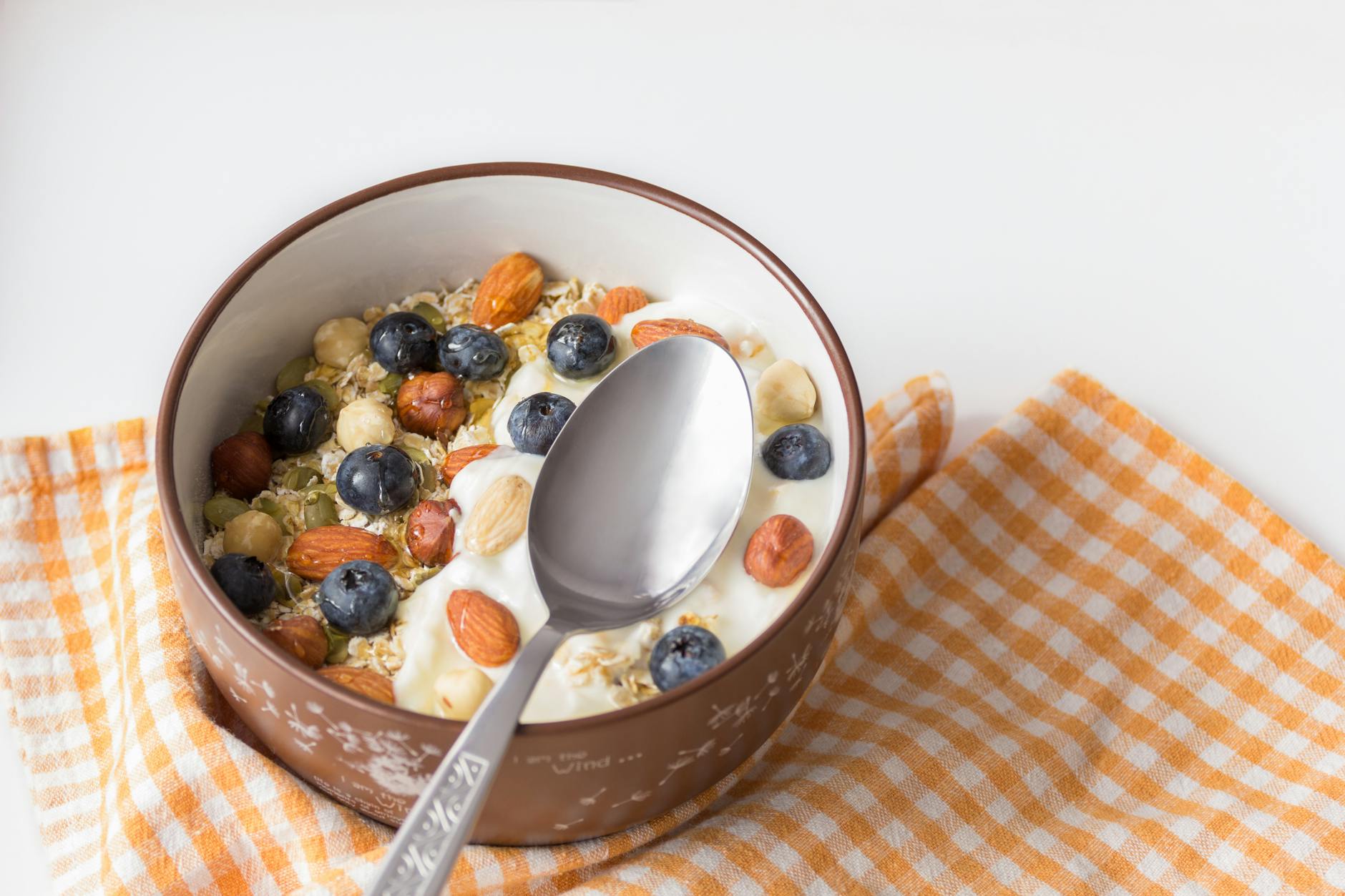
Daily options: plain Greek yogurt or kefir (breakfast), a spoonful of kimchi or sauerkraut with meals, miso in soups.
Extra Virgin Olive Oil
EVOO contains oleic acid (primary monounsaturated fat), polyphenols (oleocanthal, hydroxytyrosol), and vitamin E. It's the only fat with consistent positive associations across multiple disease outcomes in long-term studies.
The PREDIMED trial — one of the largest nutrition studies ever conducted — found that Mediterranean diets supplemented with extra olive oil reduced cardiovascular events by 30% compared to low-fat diets. Oleocanthal specifically shows promise in Alzheimer's prevention research.
Use as your primary cooking fat, for dressings, and drizzled on finished dishes. Buy quality: look for harvest date (not just best-by), PDO certification, and dark glass bottles.
Eggs
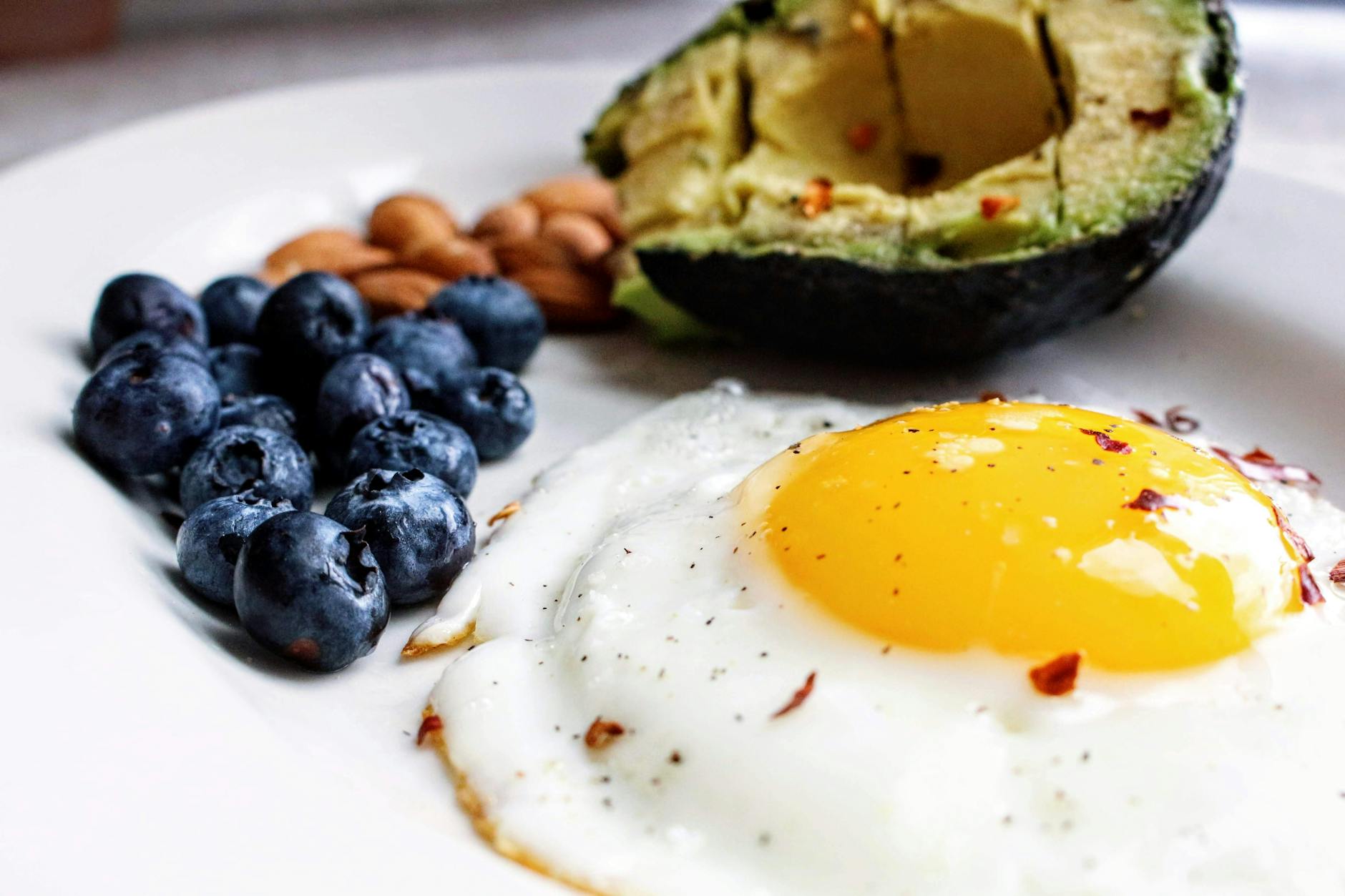
Complete protein (all essential amino acids), choline (for brain function and liver health — most people don't get enough), lutein and zeaxanthin (for eye and brain health), vitamin D, and B12.

The cholesterol concern that suppressed egg consumption for decades has been largely refuted. Current nutritional consensus is that moderate egg consumption (up to 7/week for most people) does not adversely affect cardiovascular risk in healthy individuals and provides exceptional nutritional value.
Dark Chocolate (70%+)
Flavanols in high-cocoa dark chocolate improve blood flow to the brain, increase BDNF, and act as antioxidants. Small daily amounts (20–30g) show measurable benefits in research.
The bar: 70% or higher cocoa content. Lower percentages don't contain enough flavanols. Dark chocolate also provides magnesium (a common deficiency), iron, and zinc.
Making These a Habit
The common thread: none of these require a radical diet overhaul. Adding sardines once a week, switching to Greek yogurt for breakfast, adding a handful of walnuts to your afternoon snack, and cooking with olive oil — these are small, specific swaps that accumulate into meaningful nutritional improvement over months and years.