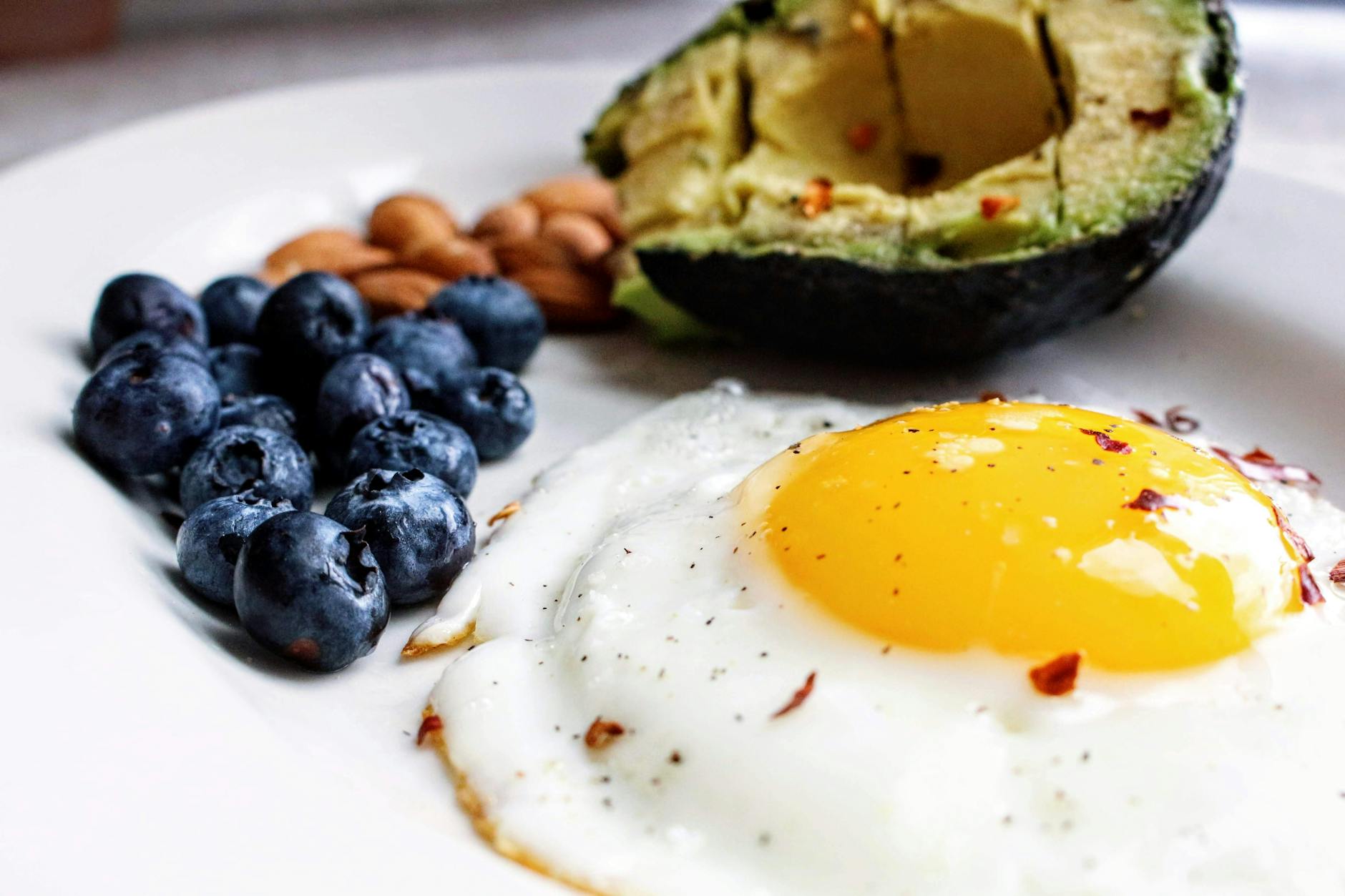
How to Eat Healthy on a Tight Budget
Healthy eating doesn't require expensive superfoods or a big grocery budget. With smart shopping and simple cooking, you can eat nutritiously for under $10 per day.

November 25, 2025

The idea that healthy eating is expensive is a persistent myth that keeps many people stuck in poor dietary patterns. While organic specialty foods and trendy superfoods are expensive, the core ingredients of an excellent diet — legumes, whole grains, eggs, frozen vegetables, and seasonal produce — are among the most affordable items in any grocery store.
Families eating on food stamps have nutritional needs that can be met on limited budgets with the right knowledge. This guide provides both the strategy and the specific foods.
The Most Nutritious Cheap Foods on Earth
Before strategies, know your anchors — the foods with the best nutrition-to-cost ratio:
Dried lentils and beans: Among the most nutritious foods available. 1 lb of dried lentils (~$1.50) makes 6+ servings packed with protein, iron, folate, and fiber. Dried black beans, chickpeas, and kidney beans work similarly.
Eggs: Complete protein (all essential amino acids), choline, lutein, vitamin D. A dozen eggs costs $3–$5 and provides 12 protein-rich meals. Hard to beat.
Frozen vegetables: Flash-frozen at peak ripeness, frozen vegetables retain most of their nutritional value — often more than "fresh" vegetables that sat for days in transit. A 1-lb bag of frozen broccoli costs $1.50–$2.00. Frozen spinach, peas, corn, mixed vegetables — all excellent value.
Rolled oats: One of the best breakfast foods and among the cheapest. A large container (~$4) provides 30+ breakfasts. Provides beta-glucan fiber that measurably lowers LDL cholesterol.
Canned fish (sardines, tuna, salmon): Exceptional omega-3 and protein at 40–60% of the cost of fresh fish. Sardines in particular are nutritional powerhouses: omega-3s, calcium (from the bones), B12, vitamin D.
Brown rice and whole wheat pasta: Affordable, filling, and genuinely nutritious when paired with protein and vegetables.
Bananas: Consistently the cheapest fresh fruit, with excellent potassium, B6, and resistant starch. Overripe ones are often marked down further.
Cabbage, carrots, and beets: Among the most affordable fresh vegetables, versatile, and nutritionally excellent. Coleslaw, roasted, stir-fried, or in soups.
Greek yogurt on sale: Excellent protein source. Watch for sales; storebrand is nutritionally identical to premium brands.
Smart Shopping Strategies
Shop with a list and a plan. Impulse buying drives up grocery bills faster than anything else. Plan your meals, write the list, buy exactly what's on it.

Compare unit prices, not shelf prices. The larger package is usually (not always) cheaper per unit. The store brand is almost always equivalent quality at 20–40% less cost. Organic isn't nutritionally superior to conventional for most foods.
Shop the perimeter first. Most real food — produce, proteins, dairy — lives on the store's perimeter. The interior aisles are where processed, expensive foods live.
Use frozen and canned produce strategically. Frozen and canned vegetables are not inferior to fresh — they're often superior in nutritional terms and dramatically cheaper. Canned tomatoes, chickpeas, and beans are pantry essentials.
Buy protein in bulk and freeze. Chicken thighs bought in family packs cost 20–30% less per pound than smaller packages. Portion and freeze immediately.
Shop seasonally and locally when possible. In-season produce is cheaper, tastier, and more nutritious. Farmers' markets often have excellent produce at competitive prices, especially late in the day when vendors reduce prices on remaining stock.
$50 Week of Healthy Eating (Example)
This budget is achievable with planning:
Protein:
- 1 dozen eggs ($3.50)
- 1 lb dried lentils ($1.50)
- 1 can sardines x 3 ($4.50)
- Chicken thighs 2 lbs ($6.00)
Grains:
- Large rolled oats ($4.00)
- Brown rice 2 lbs ($2.50)
Vegetables:
- Frozen mixed vegetables 2 lbs ($3.00)
- Fresh cabbage ($2.00)
- Carrots 2 lbs ($2.50)
- Bananas bunch ($1.50)
- Canned diced tomatoes × 2 ($3.00)
- Onions and garlic ($2.00)
Dairy:
- Greek yogurt large container ($5.00)
- Block cheese ($4.00)
Pantry:
- Olive oil (if needed), spices, soy sauce: allocated $5.00
Total: ~$50 for approximately 21 nutritionally complete meals.
Simple Budget Meal Ideas
Breakfast: Oatmeal with banana and a boiled egg (complete, filling, $0.80)
Lunch: Lentil soup with crusty bread (made in batches, about $0.70/serving)
Dinner: Chicken thighs braised with canned tomatoes, garlic, and vegetables over brown rice ($2.50/serving)
Snack: Carrot sticks with Greek yogurt dip, or a handful of seeds
The Real Barrier: Knowledge and Time, Not Cost
Cheap healthy eating requires cooking skills and time to prep. A bag of dried lentils is cheap but useless if you don't know how to cook them. This is the real challenge — not the cost of healthy food but the knowledge gap.
Start with three recipes. Master them. Add three more. Within a month, you'll have a rotation of genuinely good, nutritious, inexpensive meals that require no willpower to prepare.