The Best Foods for Brain Health
What you eat directly influences your brain's function, mood, and long-term cognitive health. These evidence-backed foods support sharper thinking and protect against decline.

October 27, 2025

Your brain is the most energy-hungry organ in your body, consuming about 20% of your total calorie intake despite being just 2% of your body weight. What you feed it has profound consequences not just for acute mental performance — focus, memory, mood — but for long-term cognitive health and protection against neurological decline.
The MIND diet — a hybrid of the Mediterranean and DASH diets specifically optimized for brain health — has been shown to reduce the risk of Alzheimer's disease by up to 53% in high adherence groups. It does this not through exotic supplements but through regular consumption of specific whole foods.
Fatty Fish: The Brain's Building Block
The brain is approximately 60% fat, and the type of fat matters enormously. DHA (docosahexaenoic acid), an omega-3 fatty acid, is the dominant structural component of brain cell membranes and neural synapses. EPA reduces neuroinflammation. Both are found primarily in fatty fish.
Research consistently shows that regular fatty fish consumption is associated with larger brain volumes, better memory, reduced risk of depression, and lower rates of cognitive decline in older adults.
Best sources: Salmon (particularly wild-caught), sardines, mackerel, herring, and anchovies. Aim for 2–3 servings per week.
For non-fish-eaters: algae-based DHA/EPA supplements provide the same molecules that fish obtain from algae in the first place.
Blueberries and Dark Berries
Blueberries are perhaps the most studied brain food in the dietary research literature. Their deep blue color comes from anthocyanins — polyphenols that cross the blood-brain barrier and accumulate in brain regions associated with learning and memory.

Multiple studies have found that regular blueberry consumption improves working memory, processing speed, and executive function in both children and older adults. A 2010 study from Tufts University found significant cognitive improvements in older adults with mild cognitive impairment after 12 weeks of daily blueberry juice consumption.
Other dark berries (blackberries, cherries, strawberries) contain similar, if slightly lower concentrations of anthocyanins. Frozen berries are equally nutritious and more affordable than fresh.
Leafy Green Vegetables
Frequent consumption of leafy greens is one of the strongest dietary predictors of cognitive longevity in population research. A Rush University study following 900 older adults for 5 years found that those eating 1–2 servings of leafy greens daily had cognitive function equivalent to people 11 years younger than those eating the fewest greens.
The active compounds: vitamin K (involved in sphingolipid synthesis, important for brain cell membranes), folate (reduces homocysteine, high levels of which damage brain blood vessels), lutein (accumulates in the brain, associated with crystallized intelligence), and beta-carotene.
Best sources: Kale, spinach, collard greens, Swiss chard, arugula. Even modest daily intake — one cup cooked or two cups raw — shows cognitive benefit.
Extra Virgin Olive Oil
The cornerstone of the Mediterranean diet, EVOO contains oleocanthal, a polyphenol that has been shown in animal studies to enhance the clearance of amyloid beta proteins — the plaques associated with Alzheimer's disease. Human epidemiological studies consistently associate high olive oil consumption with lower rates of cognitive decline.

EVOO also contains vitamin E, a fat-soluble antioxidant that protects brain cell membranes from oxidative damage.
Use as primary cooking fat and for salad dressings. Quality matters: buy cold-pressed, first-press EVOO from reputable producers.
Nuts (Especially Walnuts)
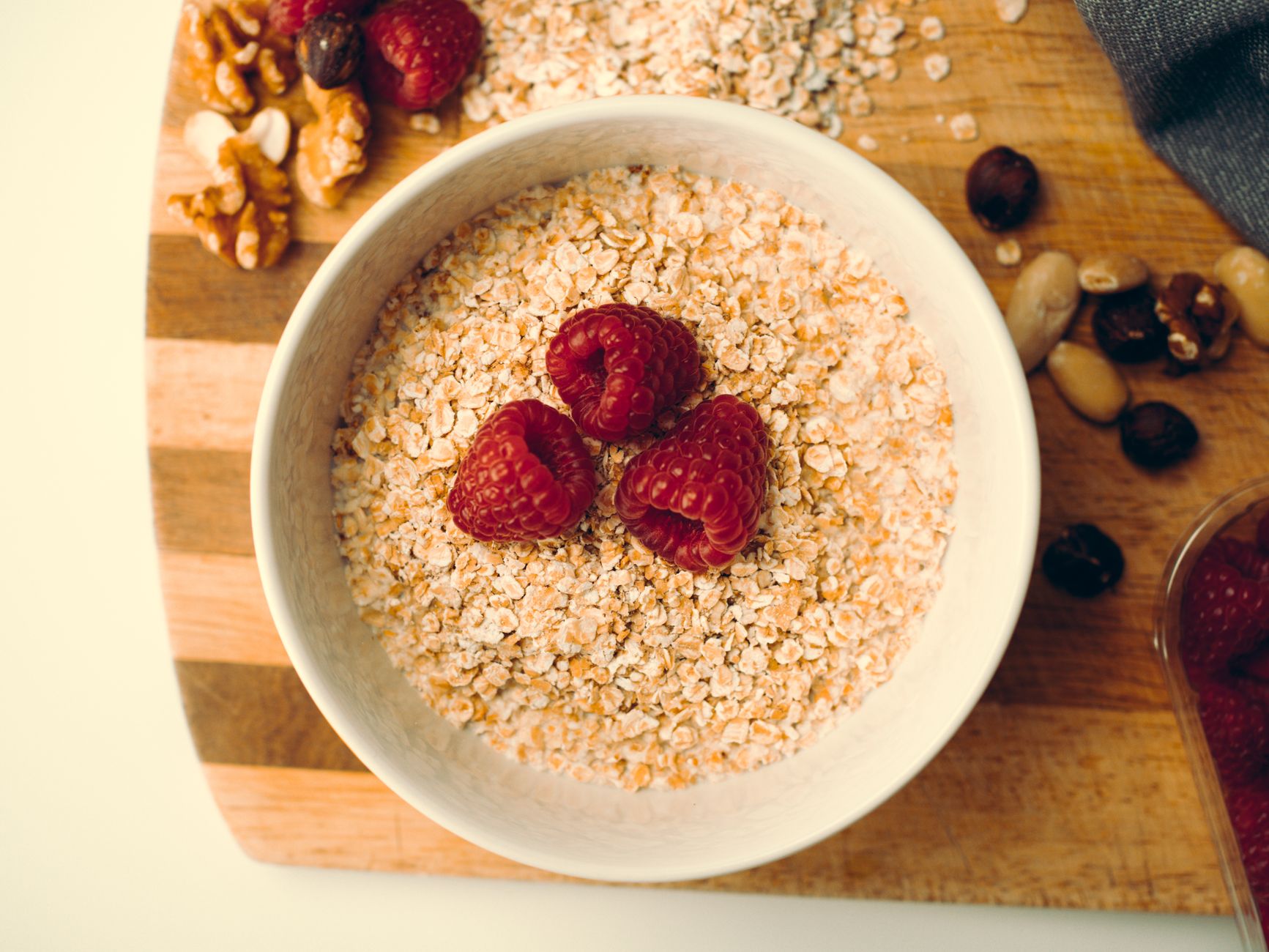
Walnuts look like brains, which is coincidental, but their brain benefits are real. They're uniquely high in ALA (plant-based omega-3s), polyphenols, and vitamin E — all beneficial for brain health. A daily serving of walnuts has been associated with better working memory and processing speed in multiple studies.
A study in the Journal of Nutrition, Health & Aging found that adults who ate walnuts scored significantly higher on cognitive tests than those who didn't, after controlling for other variables.
All nuts contain vitamin E and healthy fats beneficial for brain health. Walnuts simply have the strongest research base.
Dark Chocolate (70%+ Cocoa)
Flavanols in dark chocolate improve blood flow to the brain and increase BDNF (brain-derived neurotrophic factor), which supports the growth of new brain cells. A 2018 study found that consumption of high-flavanol dark chocolate activated different brain networks associated with memory, attention, and sensory processing.

The threshold: 70%+ cocoa content. Milk chocolate has too little flavanol and too much sugar to provide these benefits. One to two squares (20–30g) daily is sufficient.
Eggs: The Brain Nutrient Package
Eggs contain three nutrients particularly important for brain function:
Choline: Used to produce acetylcholine, a neurotransmitter critical for memory and muscle control. Most people don't get adequate choline from diet. Two eggs provide approximately 250mg — about half the daily recommendation.
Lutein: Egg yolks are an excellent source of lutein (more bioavailable than from leafy greens), which accumulates in the brain and correlates with intelligence in research.
B vitamins: B6, B12, and folate work together to reduce homocysteine levels, protecting blood vessels supplying the brain.
The Brain-Unfriendly Foods to Reduce
The flip side of a brain-healthy diet: reducing foods that actively promote neuroinflammation:
- Ultra-processed foods: Associated with cognitive decline and depression in multiple large studies
- Trans fats: Still present in some packaged goods; directly impair memory function
- Excessive added sugar: Promotes insulin resistance, which has been linked to Alzheimer's (sometimes called "Type 3 diabetes")
- Excessive alcohol: Neurotoxic at high doses; even moderate chronic consumption shrinks hippocampal volume
The brain responds to diet changes over weeks to months, not days. Consistency matters more than occasional "brain food" meals.