Why Everyone Is Suddenly Drinking Non-Alcoholic Everything
Non-alcoholic beer, wine, spirits, and cocktails have gone from an afterthought to a booming industry. What changed — and is the sober-curious movement actually good for you?

June 17, 2026
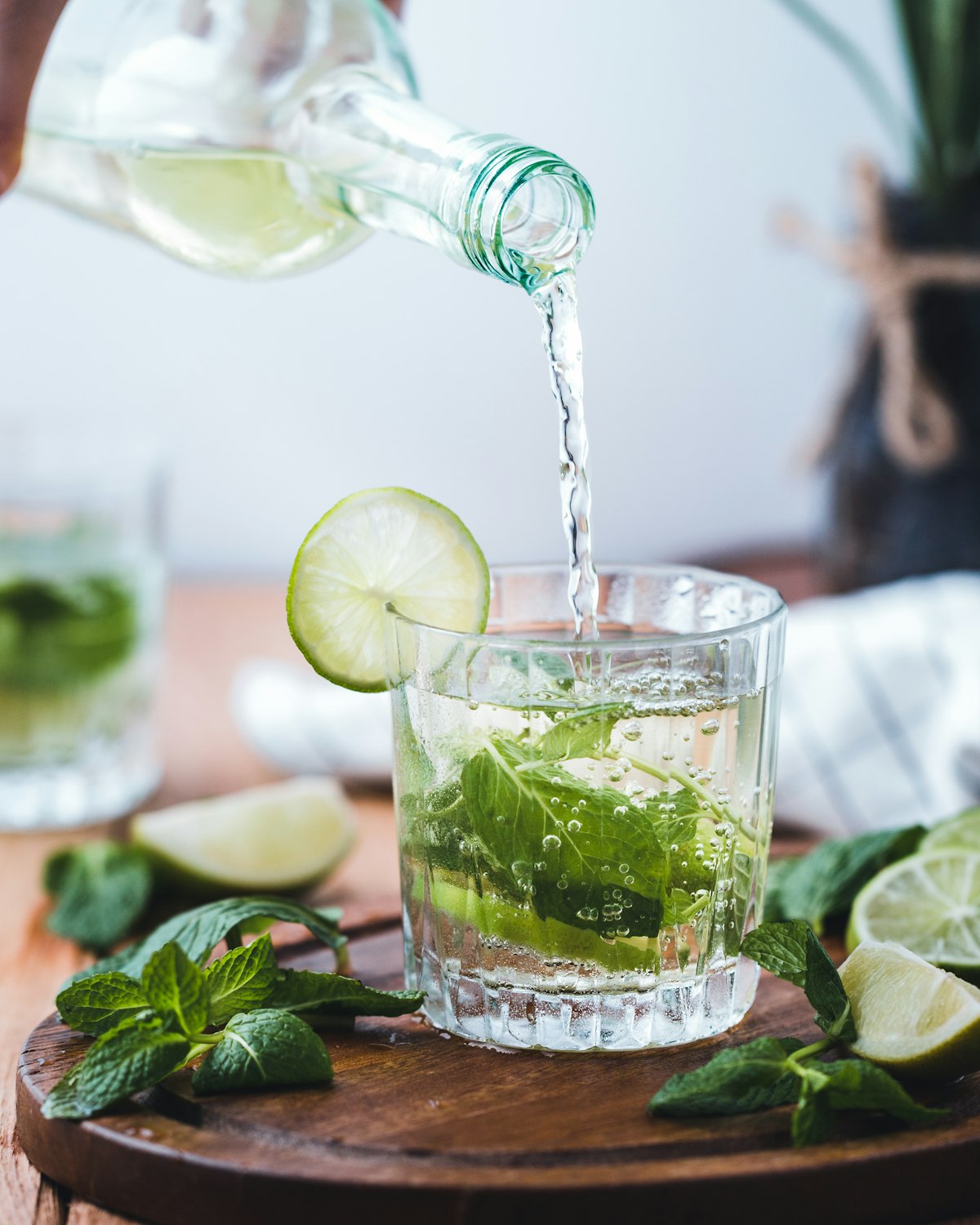
Five years ago, asking for a non-alcoholic beer at a bar got you a warm Heineken 0.0 and a slightly pitying look. Today, the non-alcoholic drinks category is one of the fastest-growing segments in the beverage industry globally — valued at over $11 billion and projected to double within a decade.
This didn't happen because everyone stopped drinking. It happened because the relationship between alcohol and identity shifted in a way nobody entirely predicted.
What Changed
The sober-curious movement — a term popularized by Ruby Warrington's 2018 book of the same name — positioned sobriety not as abstinence born of addiction, but as a conscious lifestyle choice. The distinction matters culturally. "I'm sober" carries weight, history, and sometimes stigma. "I'm sober-curious" is just a preference, like being vegetarian — it doesn't require explanation or a recovery narrative.
This framing resonated particularly strongly with younger consumers. Gen Z drinks less alcohol than any previous generation on record, and when they do drink, they tend to drink less of it. A 2023 Gallup survey found that Americans under 35 reported drinking alcohol at the lowest rate since the 1990s — not because of prohibition or health scares, but because of shifting values around health, performance, and social identity.
At the same time, the quality of non-alcoholic beverages improved dramatically. This is the part that doesn't get enough credit.
The Quality Revolution
Early non-alcoholic "spirits" were essentially flavored water with a premium price tag. The industry has changed significantly. Producers are now using techniques like vacuum distillation, cold brewing, and botanical maceration to create genuinely complex, interesting drinks without alcohol.
Seedlip (acquired by Diageo) essentially created the premium non-alcoholic spirits category and now has multiple expressions with distinct flavor profiles — herbal, spiced, citrus — that actually mix well in cocktails.
Athletic Brewing has become one of the fastest-growing craft beer companies in the US, and their non-alcoholic IPAs and stouts have won awards alongside alcoholic competitors. Blind tastings increasingly confuse even experienced drinkers.
Non-alcoholic wines remain the trickiest category — the fermentation process that creates ethanol also creates much of wine's flavor complexity, and removing alcohol after the fact strips a lot of character. But producers using arrested fermentation (stopping fermentation before alcohol production) are making significant progress.
The practical upshot: if you tried a non-alcoholic beer or wine three years ago and disliked it, it's worth trying again.
The Health Case (And Its Nuances)
The health argument for drinking less alcohol is strong and has grown stronger with recent research. The long-held "J-curve" theory — that moderate drinking confers cardiovascular benefits — has been substantially challenged by studies showing the earlier research didn't adequately control for the "sick quitter" effect (people who quit drinking because they're already ill, making abstainers look less healthy).
Current evidence suggests alcohol has no meaningful health benefit and carries dose-dependent risks: cancer (particularly breast and colorectal), liver disease, sleep disruption, and the well-documented effects on cognitive function and mood regulation. The risks start at amounts previously considered "moderate."
The non-alcoholic alternative, particularly sparkling varieties, isn't nutritionally significant — these drinks are mostly empty calories — but they eliminate the specific harms of ethanol.
Where it gets nutritionally interesting is in the functional drinks category: beverages containing adaptogens, nootropics, or other active ingredients marketed as mood-modifying without the downsides of alcohol. The evidence base for most of these claims is thin, but drinks containing L-theanine (from green tea) and ashwagandha have reasonable evidence for mild relaxation effects. The majority of "functional" drink claims are marketing.
The Social Function of Drinking (And Why This Matters)
The reason non-alcoholic beverages are socially important isn't nutritional — it's participatory. Having something to hold at a party, to clink at a celebration, to sip during a business dinner, serves a function that "sparkling water" doesn't quite fill.

Alcohol's social role has historically been about ritual inclusion — the toast, the round, the after-work drink. Non-alcoholic alternatives allow people to participate in these rituals without the substance. For people in recovery, this is meaningful. For people who simply want to drink less, it's practically useful.
This is also why restaurants and bars are increasingly taking non-alcoholic options seriously. Offering a $16 non-alcoholic cocktail is good business: it serves people who don't drink, people who aren't drinking tonight, and people who want to slow down mid-evening without visibly checking out of the social experience.
How to Actually Navigate the Category
If you want to drink less alcohol without feeling like you're missing out:
Start with non-alcoholic beer. The gap between good NA beer and average alcoholic beer has genuinely closed. Athletic Brewing's Run Wild IPA or Free Wave Hazy IPA are legitimate craft beers that happen to not have alcohol.
Try NA spirits in cocktails, not neat. The best non-alcoholic spirits reveal themselves in mixed drinks. Seedlip Spice 94 with tonic and a lime is genuinely refreshing. Neat, it's not trying to taste like anything familiar, and judging it that way is unfair.
Be skeptical of "functional" claims. Drinks marketed as "alcohol alternatives" that "reduce anxiety" or "promote calm" are mostly selling a feeling, not a pharmacologically verified effect. A few have reasonable evidence behind specific ingredients; most are flavored water with premium positioning.
Don't feel obligated to explain yourself. "I'll have the non-alcoholic one" needs no further justification. The cultural shift is far enough along that this is an ordinary choice.
The sober-curious trend is, at its core, about optionality — the ability to choose less alcohol without social cost. The beverage industry responding with genuinely good products has made that choice easier than it's ever been.