The Best Anti-Inflammatory Foods to Add to Your Diet
Discover the most powerful anti-inflammatory foods backed by science and learn how to easily incorporate them into your everyday meals.

Published April 13, 2026 · Updated May 18, 2026

Chronic inflammation is one of the most talked-about health concerns of our time — and for good reason. Unlike the acute inflammation that helps your body heal a cut or fight off an infection, chronic low-grade inflammation simmers quietly beneath the surface and has been linked to heart disease, type 2 diabetes, cancer, Alzheimer's, and a host of autoimmune conditions. The good news? One of the most effective tools for fighting back is sitting right on your plate. By choosing the right foods consistently, you can help calm inflammation, protect your cells, and feel noticeably better in the process.
According to a landmark study published in the Journal of the American College of Cardiology, dietary patterns rich in anti-inflammatory foods were associated with a 20% lower risk of cardiovascular disease and up to a 18% lower risk of all-cause mortality. That's a powerful argument for rethinking what ends up in your grocery cart each week.
Understanding Inflammation and Why Food Matters
Before diving into the grocery list, it helps to understand the basics. Inflammation is your immune system's natural response to threats. When it becomes chronic — often triggered by stress, lack of sleep, sedentary habits, and poor diet — it starts damaging healthy tissues instead of protecting them.
Certain foods can either fuel or fight this process. Highly processed foods, refined sugars, and trans fats tend to promote inflammatory pathways in the body. On the other hand, whole foods rich in antioxidants, polyphenols, omega-3 fatty acids, and fiber actively work to reduce inflammation at the cellular level.
The goal isn't perfection. It's about shifting the balance in your diet so that anti-inflammatory foods show up on your plate more often than inflammatory ones.
The Top Anti-Inflammatory Foods You Should Be Eating
Fatty Fish
Salmon, mackerel, sardines, and anchovies are among the richest sources of EPA and DHA — two omega-3 fatty acids that are potent inflammation fighters. These healthy fats help reduce the production of inflammatory molecules called cytokines and eicosanoids.
How to add it: Aim for at least two servings of fatty fish per week. A simple baked salmon fillet with lemon and herbs takes about 20 minutes and delivers a serious nutritional punch.
Berries
Blueberries, strawberries, raspberries, and blackberries are loaded with anthocyanins — antioxidants that give them their vibrant color and have been shown to reduce markers of inflammation. Blueberries, in particular, have been extensively studied for their role in reducing oxidative stress.
How to add it: Toss a handful into your morning oatmeal, blend them into smoothies, or eat them as a simple afternoon snack.
Leafy Green Vegetables
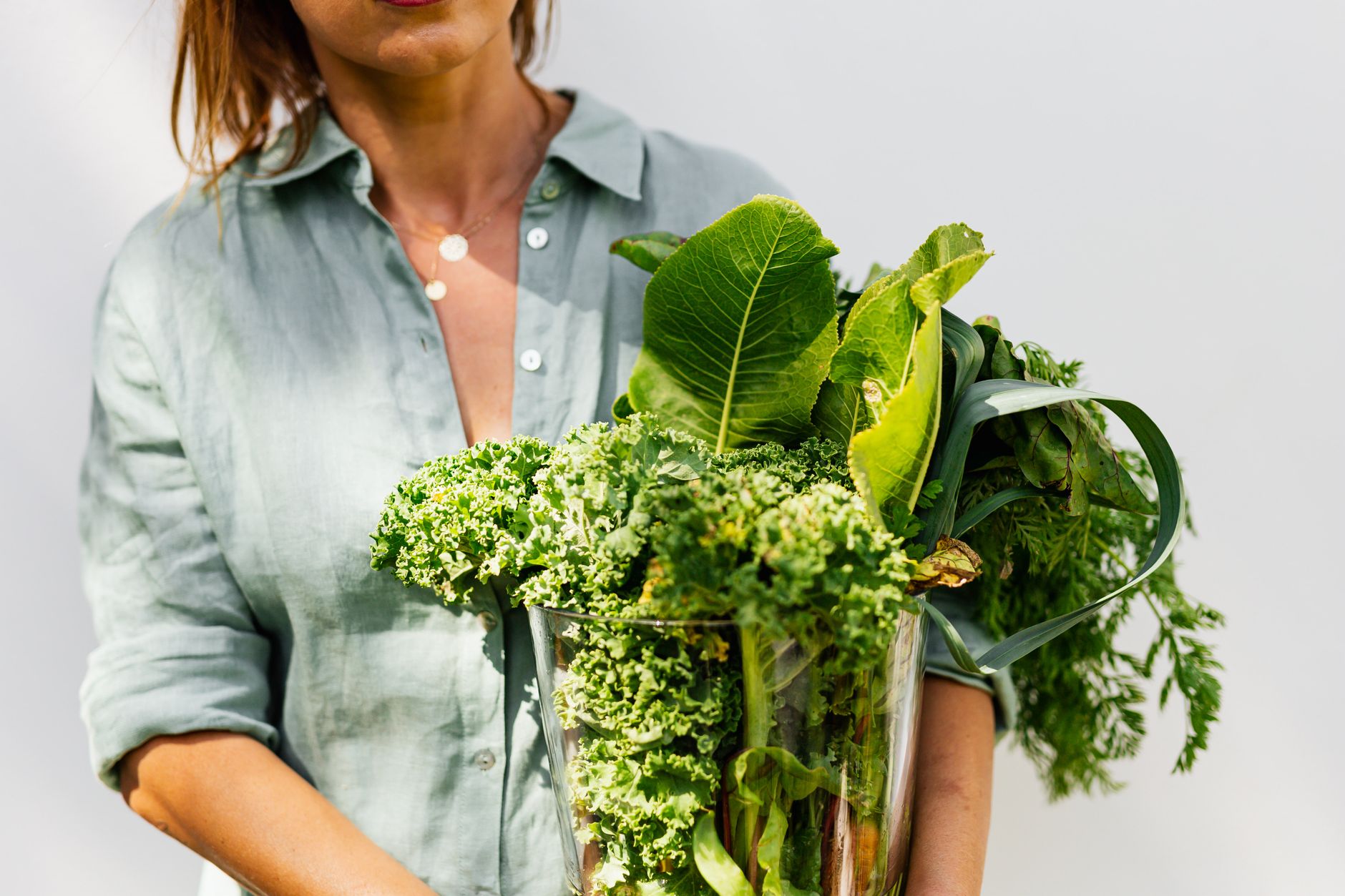
Spinach, kale, Swiss chard, and collard greens are nutritional powerhouses packed with vitamins A, C, and K, along with polyphenols and carotenoids that combat oxidative damage.
How to add it: Use spinach as a base for salads, add kale to soups, or sauté Swiss chard with garlic and olive oil as a quick side dish.
Extra Virgin Olive Oil
A cornerstone of the Mediterranean diet, extra virgin olive oil contains oleocanthal — a compound that functions similarly to ibuprofen in its anti-inflammatory effects. Studies have shown that people who regularly consume olive oil have lower levels of C-reactive protein (CRP), a key biomarker for inflammation.
How to add it: Use it as your primary cooking oil, drizzle it over salads, or dip whole-grain bread in it instead of using butter.
Turmeric
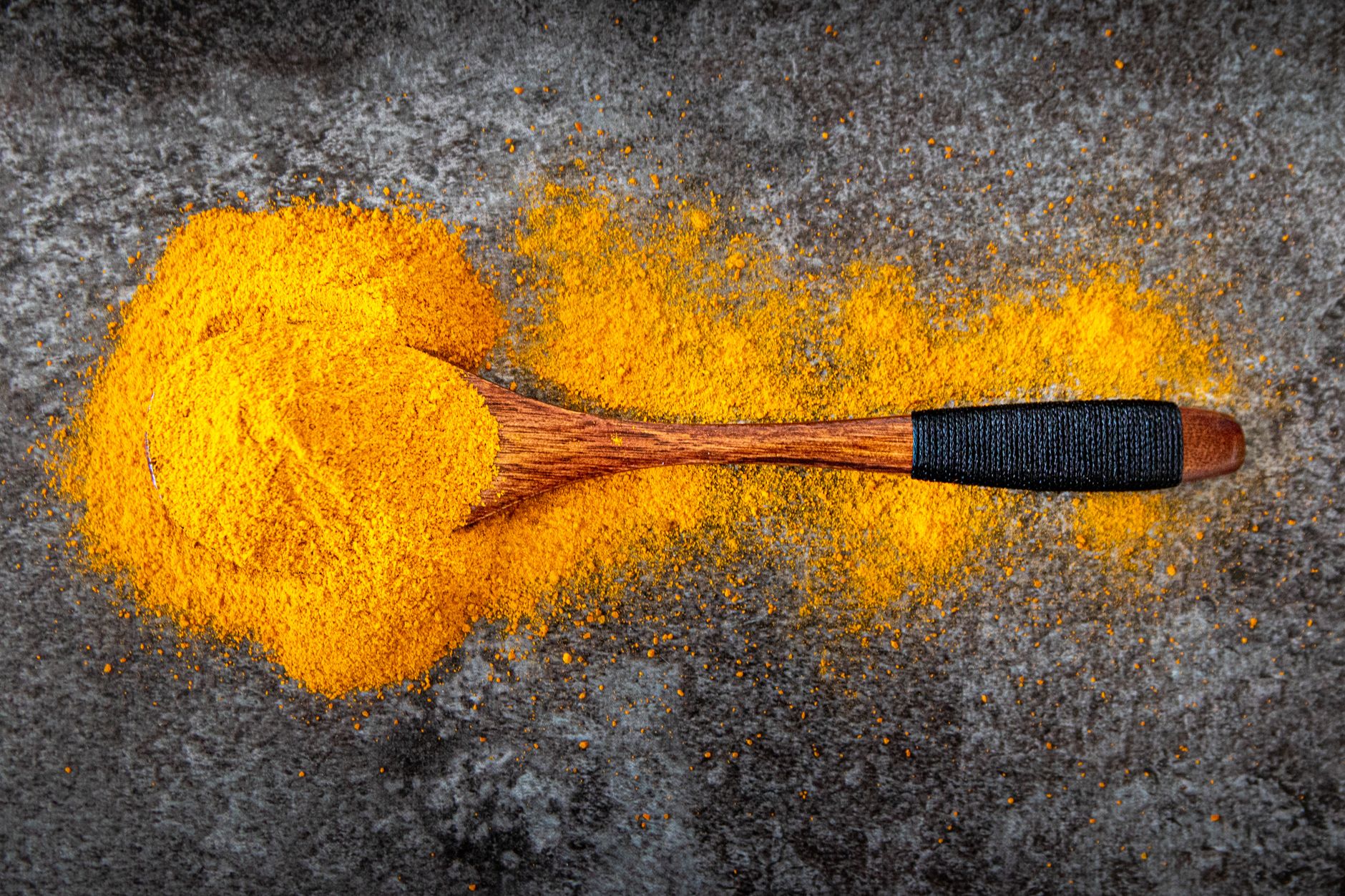
Curcumin, the active compound in turmeric, is one of the most well-researched natural anti-inflammatory agents in the world. However, curcumin is poorly absorbed on its own, so pairing it with black pepper (which contains piperine) can boost absorption by up to 2,000%.
How to add it: Stir turmeric into scrambled eggs, add it to rice dishes, blend it into golden milk lattes, or use it generously in curries and stews.
Nuts and Seeds
Almonds, walnuts, flaxseeds, and chia seeds are excellent sources of healthy fats, fiber, and antioxidants. Walnuts, in particular, are rich in alpha-linolenic acid (ALA), a plant-based omega-3 that has demonstrated anti-inflammatory properties in multiple studies.
How to add it: Keep a small bag of mixed nuts at your desk for snacking, sprinkle ground flaxseed over yogurt, or add chia seeds to overnight oats.
Tomatoes
Tomatoes are rich in lycopene, a powerful antioxidant that has been linked to reduced inflammation, particularly in relation to heart health and cancer prevention. Interestingly, cooking tomatoes actually increases lycopene availability.
How to add it: Use cooked tomato sauce on pasta, roast cherry tomatoes as a side dish, or add diced tomatoes to omelets and grain bowls.
Dark Chocolate and Cocoa
Yes, chocolate makes the list — but we're talking about dark chocolate with at least 70% cocoa content. Cocoa is rich in flavanols that reduce inflammation and may help protect the lining of your arteries.
How to add it: Enjoy a square or two of high-quality dark chocolate as a dessert, or add unsweetened cocoa powder to smoothies and baked goods.
Foods You Should Limit
Building an anti-inflammatory diet isn't just about what you add — it's also about what you reduce. Try to minimize your intake of:
- Refined carbohydrates — white bread, pastries, and sugary cereals
- Fried foods — French fries, fried chicken, and donuts
- Sugar-sweetened beverages — soda, sweetened coffee drinks, and energy drinks
- Processed meats — hot dogs, sausages, and deli meats
- Excess alcohol — more than moderate consumption can increase inflammatory markers
- Margarine, shortening, and lard — sources of trans and saturated fats
These foods have been consistently associated with elevated levels of inflammatory biomarkers like CRP and interleukin-6.
A Simple Anti-Inflammatory Day on a Plate
Putting it all together doesn't require a complete diet overhaul. Here's what a realistic anti-inflammatory day might look like:

- Breakfast: Overnight oats topped with blueberries, chia seeds, and a drizzle of honey
- Mid-morning snack: A small handful of walnuts and an apple
- Lunch: Spinach salad with cherry tomatoes, avocado, grilled salmon, and olive oil dressing
- Afternoon snack: Carrot sticks with hummus
- Dinner: Turmeric-spiced chicken with roasted broccoli and quinoa
- Dessert: Two squares of dark chocolate
Notice how this doesn't feel like a restrictive diet. It's simply real food, prepared simply, and chosen intentionally.
Building Long-Term Habits That Stick
The most important thing to remember is that anti-inflammatory eating is a pattern, not a prescription. You don't need to eat every food on this list every single day. Instead, focus on these guiding principles:
- Prioritize whole, unprocessed foods as the foundation of your meals
- Eat a wide variety of colorful fruits and vegetables to maximize your antioxidant intake
- Choose healthy fats from fish, nuts, seeds, and olive oil over processed alternatives
- Cook at home more often so you have control over ingredients and preparation methods
- Be patient — the benefits of dietary changes accumulate over weeks and months, not overnight
Inflammation didn't develop in a day, and it won't resolve in one either. But every anti-inflammatory meal you eat is a deposit into your long-term health account. Start with one or two swaps this week — maybe switching your afternoon chips for a handful of almonds or adding a serving of berries to breakfast — and build from there. Your future self will thank you.