How to Make Restaurant Quality Meals at Home
Discover the techniques, tools, and secrets professional chefs use — and learn how to replicate restaurant-quality meals in your own kitchen.

April 13, 2026
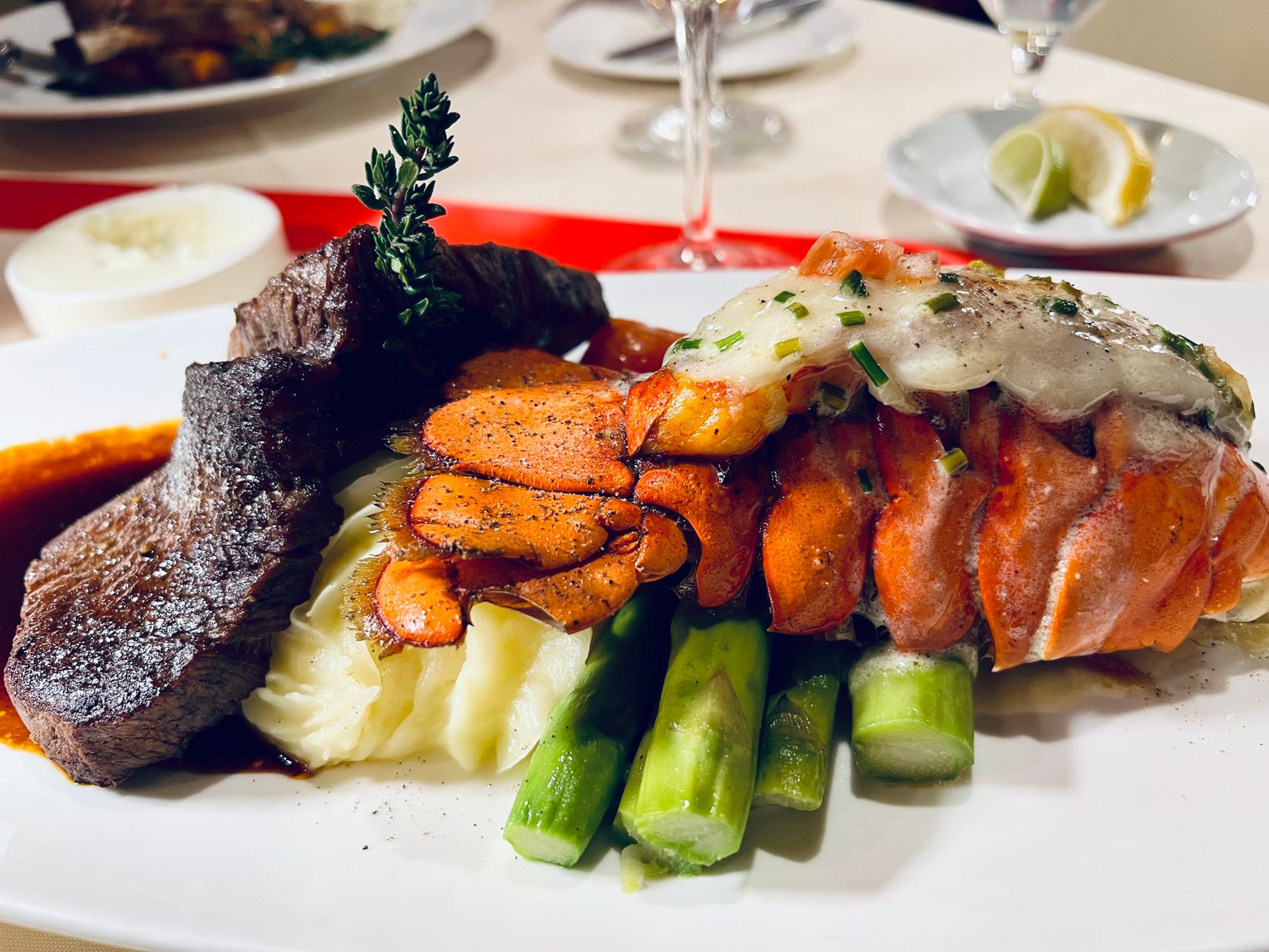
You've had that moment — sitting in a restaurant, savoring a perfectly seared steak or a silky pasta dish, wondering why your home-cooked version never quite hits the same note. The truth is, restaurant-quality cooking isn't about culinary school diplomas or industrial-grade equipment. It's about understanding a handful of principles that professional chefs apply instinctively but rarely talk about. And once you learn them, your home kitchen becomes the best restaurant in town.
According to a 2024 survey by the National Restaurant Association, 63% of adults say they'd prefer to cook restaurant-quality meals at home rather than dine out, citing both cost savings and the desire for healthier ingredients. The demand is there. The skills are entirely learnable. Let's break down exactly how to close the gap between your kitchen and your favorite restaurant.
Master the Fundamentals of Heat
The single biggest difference between a home cook and a professional chef isn't talent — it's heat management. Restaurant kitchens use commercial burners that can push out 25,000 to 75,000 BTUs, compared to the typical home stove's 7,000 to 12,000 BTUs. That raw power creates the deep sears, the crispy edges, and the caramelized flavors you crave.
You can't retrofit your kitchen with a commercial range, but you can work smarter:
- Preheat your pans longer than you think. Give a cast iron skillet a full five minutes on medium-high heat before adding oil. A properly preheated pan compensates for lower BTU output.
- Don't overcrowd the pan. When you pile too much food into a skillet, the temperature plummets and you get steaming instead of searing. Cook proteins in batches if necessary.
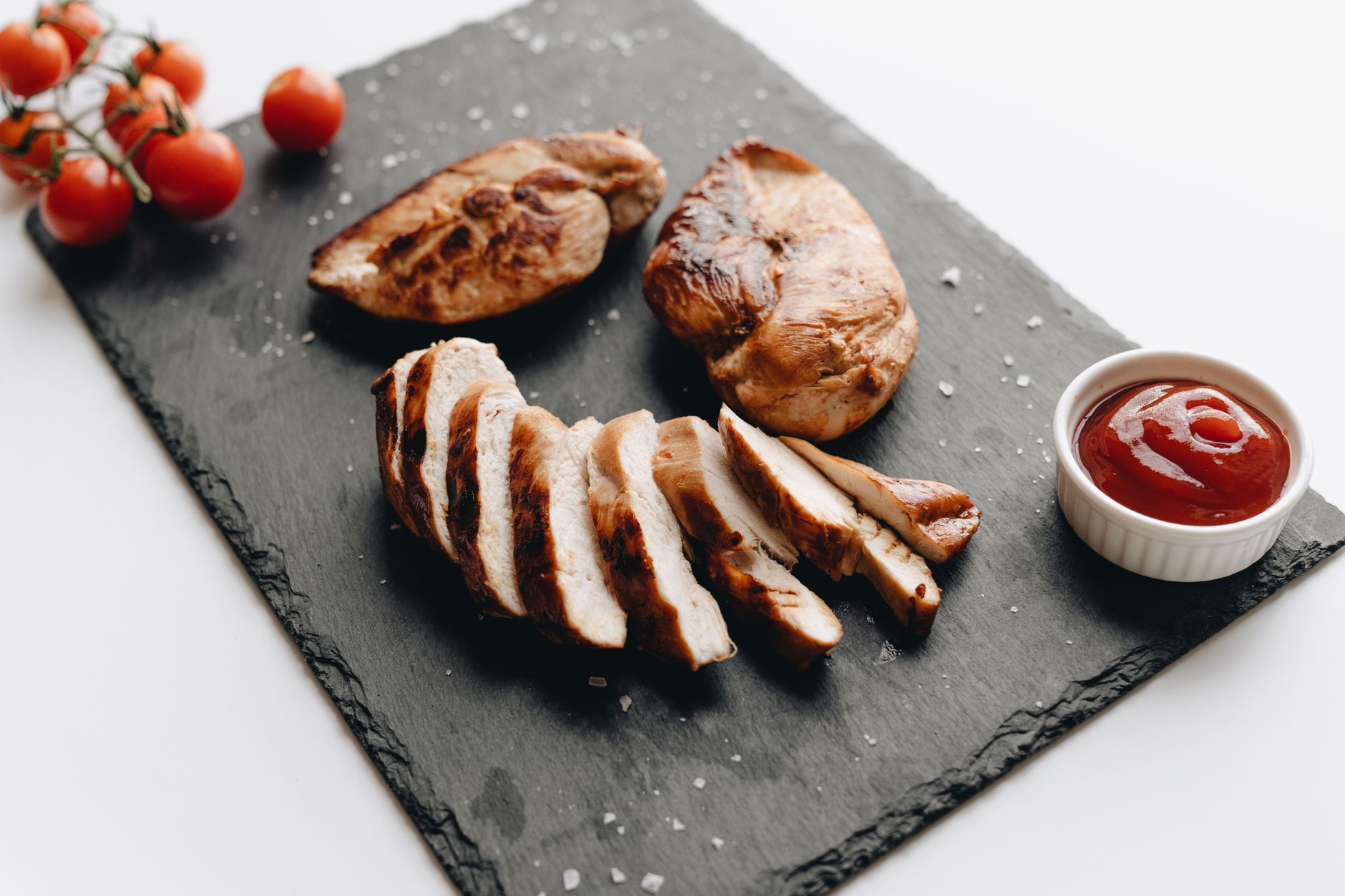
- Use the oven as a finishing tool. Sear a chicken thigh on the stovetop for a golden crust, then transfer it to a 400°F oven to cook through evenly — exactly the way restaurant line cooks do it.
The Maillard Reaction Is Your Best Friend
That deep, complex flavor on a perfectly grilled burger or roasted vegetable? That's the Maillard reaction — a chemical process that occurs when proteins and sugars are exposed to heat above 280°F. To maximize it, make sure your food's surface is dry before it hits the pan. Pat steaks with paper towels. Let vegetables air-dry after washing. Moisture is the enemy of browning.
Season Like a Professional
Under-seasoning is the number one reason home-cooked food tastes flat compared to restaurant dishes. Chefs season at every stage of the cooking process — not just at the end with a timid shake of the salt shaker.

Here's how to think about seasoning like a pro:
- Season your proteins well in advance. Salt your steak 40 minutes to 24 hours before cooking. The salt draws out moisture initially, then gets reabsorbed, seasoning the meat deeply and improving texture.
- Taste as you go. Professional chefs taste their food dozens of times during preparation. Keep a spoon handy and adjust seasoning throughout.
- Layer your flavors. Use acid (lemon juice, vinegar), fat (butter, olive oil), salt, and sweetness in balance. A dish that tastes "almost there" often just needs a squeeze of lemon or a pinch of sugar to pop.
- Finish with flaky salt. A sprinkle of Maldon or fleur de sel right before serving adds a textural crunch and burst of flavor that elevates even simple dishes.
Invest in Mise en Place
"Mise en place" is French for "everything in its place," and it's the organizational backbone of every professional kitchen. Before a single burner is lit, chefs have every ingredient measured, chopped, and arranged within arm's reach.
Adopting this practice at home transforms your cooking experience:
- You'll never burn garlic while frantically dicing an onion.
- You can focus entirely on technique and timing.
- Cleanup becomes easier because you've already dealt with packaging and scraps.
Buy a set of small prep bowls, and before you start any recipe, get every component ready. It feels like extra work upfront, but it makes the actual cooking faster, calmer, and dramatically more consistent.
Use Better Fat — and More of It
Here's something restaurants won't advertise: they use significantly more butter, oil, and fat than most home cooks are comfortable with. That glossy sauce on your pasta? It's been finished with a generous knob of cold butter whisked in at the last moment — a technique called "monter au beurre."
You don't need to drench everything in oil, but understanding how fat functions will change your food:
- Fat carries flavor. Many spices and aromatics are fat-soluble, meaning their flavors bloom when cooked in oil or butter.
- Fat creates texture. Crispy skin on salmon, golden edges on roasted potatoes, the tender crumb of a good cake — all depend on adequate fat.
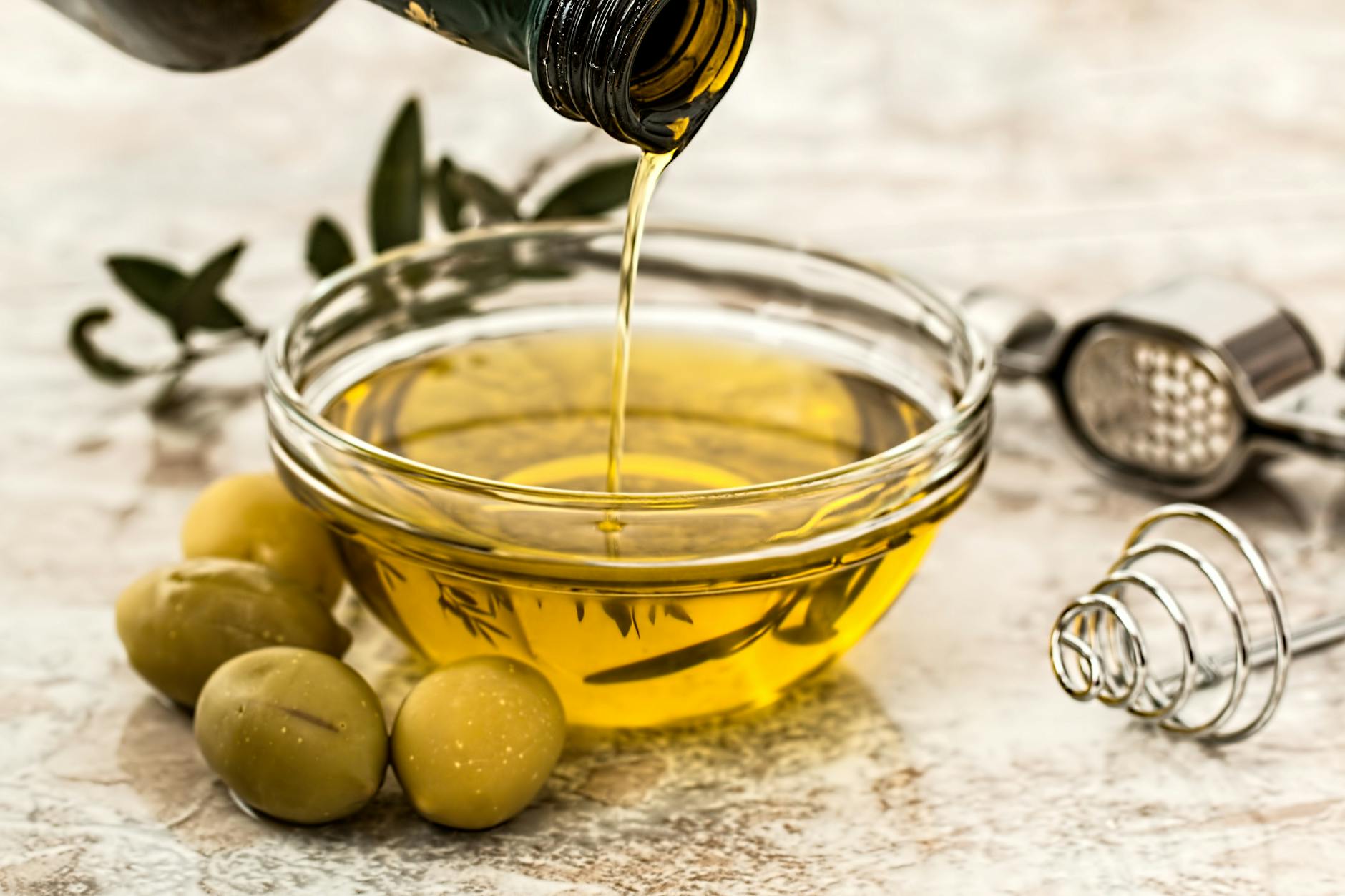
- Finishing fats matter. A drizzle of high-quality extra virgin olive oil over a soup, salad, or grain bowl adds a layer of richness that can't be replicated any other way.
Build Restaurant-Style Sauces at Home
If there's one skill that separates professional cooking from amateur cooking, it's sauce-making. A great sauce ties a dish together and makes every bite more compelling.
The Pan Sauce Method
After searing a protein, don't wash that pan. Those brown bits stuck to the bottom — called fond — are concentrated flavor gold.
- Remove the protein and set it aside to rest.
- Add a finely diced shallot to the hot pan and cook for 30 seconds.
- Deglaze with a splash of wine, stock, or even water, scraping up all the fond.
- Reduce the liquid by half.
- Swirl in a tablespoon of cold butter and a squeeze of lemon.
- Season with salt and pepper, then spoon over your protein.
This five-minute technique produces a sauce that tastes like it took hours. It works with chicken, pork, steak, fish — virtually any seared protein.
Don't Neglect Presentation
Restaurants understand that you eat with your eyes first. You don't need tweezers and edible flowers, but a few simple plating principles make a real difference:

- Use white plates. They make colors pop and give your food a clean backdrop.
- Build height. Stack or mound food slightly rather than spreading it flat across the plate.
- Add contrast. A sprinkle of fresh herbs, a drizzle of sauce, or a scattering of toasted seeds adds visual interest and textural variety.
- Wipe the rim. A clean plate edge instantly makes any dish look more polished.
Stock Your Pantry Strategically
Restaurant kitchens have access to a deep bench of ingredients that amplify flavor quickly. You should, too. Keep these staples on hand:
- Fish sauce — adds savory depth (umami) to soups, stir-fries, and even salad dressings without tasting fishy
- Miso paste — stir it into marinades, butter, or sauces for instant complexity
- Sherry vinegar or sherry — a splash deglazes pans beautifully and adds nuanced acidity
- Dijon mustard — emulsifies vinaigrettes and adds sharpness to cream sauces
- Good-quality chicken stock — homemade is ideal, but a high-quality store-bought version works wonders compared to water
Practice One Dish Until It's Perfect
Professional chefs don't master hundreds of dishes simultaneously. They perfect one, then move on. Choose a single dish you love — roast chicken, pasta carbonara, a Thai green curry — and make it repeatedly. Each attempt teaches you something: how your specific oven runs, when the garlic smells right, how the sauce should look when it's properly reduced.

After five or six attempts, you'll own that dish completely. Then pick another. Over time, you'll build a personal repertoire of restaurant-caliber meals that you can execute with confidence any night of the week.
The gap between restaurant food and home cooking is narrower than you think. It's not about expensive ingredients or secret recipes — it's about heat, seasoning, technique, and attention to detail. Start applying these principles tonight, and you'll taste the difference with your very first bite.